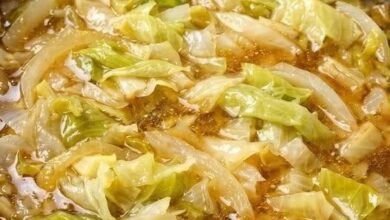
Okay, let’s be real. We all want to eat healthy, flavorful meals during the week. But who has the time to chop, prep, and wash a mountain of fresh produce every single night? I certainly don’t. That’s where the humble frozen vegetable comes in. Forget any old ideas you have about bland, mushy frozen veggies. We’re talking about using them smartly, like a secret weapon, to make your weeknights way easier and tastier in 2026.
The Frozen Veggie Comeback
For years, frozen vegetables got a bad rap. People thought they were less nutritious, less flavorful, and just generally sad. But that’s just not true anymore. Modern freezing techniques actually lock in nutrients really well. Sometimes, frozen veggies are even more nutritious than fresh ones that have traveled long distances.
The real magic with frozen veggies is their convenience. They’re pre-washed, pre-chopped, and ready to go. This means you can whip up a healthy meal in way less time. It’s perfect for busy people who still want good food on their plates without a lot of fuss. Think of them as your prepped ingredient shortcut.
Beyond the Steamer: Flavorful Cooking Methods
The biggest mistake people make with frozen vegetables is treating them like they’re fresh. You can’t just toss a bag of frozen peas into a stir fry and expect perfection. They need a little care. Steaming them until they’re mushy is one way to ruin them. But there are so many other ways to cook them that bring out their best flavor and texture.
Roasting for Sweetness and Crunch
Roasting is an absolute game changer for frozen vegetables. Seriously. Pick vegetables like broccoli florets, cauliflower, bell pepper strips, or even corn. Spread them on a baking sheet in a single layer. Drizzle with a little olive oil, salt, pepper, and any spices you like. Garlic powder, paprika, or even a pinch of chili flakes work wonders.
Roast them at a high temperature, around 400°F (200°C). This high heat caramelizes the natural sugars in the vegetables, making them sweet and slightly crispy. You get a wonderful texture that’s miles away from soggy. Roasted frozen veggies can be a fantastic side dish, tossed into salads, or even mixed into pasta dishes.
Sautéing for Quick Flavor
For lightning-fast meals, sautéing is your best friend. Use a hot pan with a bit of oil. Add your frozen vegetables directly to the pan. Things like peas, corn, green beans, or mixed vegetables work great here. You want to cook them quickly over medium high heat, stirring often.
The key is not to overcrowd the pan. Cook in batches if needed. This allows the veggies to get a little browned instead of steaming in their own moisture. Add garlic, onions, or ginger early on for extra flavor. A splash of soy sauce, lemon juice, or a sprinkle of herbs at the end can totally transform the dish. These quickly sautéed veggies are perfect for topping grains, adding to omelets, or serving alongside grilled chicken or fish.
Adding to Soups and Stews
This is probably the easiest way to boost the nutrition and flavor of your soups and stews. You can add frozen vegetables directly from the freezer to your pot. They cook right in the broth, absorbing all those delicious flavors. Mixed vegetables, peas, corn, green beans, and spinach are all excellent choices.
For heartier soups, consider frozen mirepoix (diced carrots, celery, and onions) or even frozen chopped potatoes. They save so much chopping time. Adding them towards the end of cooking usually works best to prevent them from getting too soft, unless you like a very soft texture in your soup. It’s an effortless way to make a simple soup feel like a complete meal.
Smart Picks: What Frozen Veggies Shine?
Not all frozen vegetables are created equal when it comes to cooking methods. Some are just naturally better suited for certain applications. Knowing these little details makes a big difference.
- Broccoli and Cauliflower Florets: These are fantastic roasted or sautéed. They hold their shape well and get a nice char.
- Peas and Corn: Super versatile. Great in soups, stews, sautés, or even added to rice and pasta dishes. They cook very quickly.
- Green Beans: Excellent roasted or added to casseroles. Try sautéing them with a bit of garlic and soy sauce for a quick side.
- Spinach and Kale: These wilt down beautifully. Add them to soups, stews, smoothies, or sauté them with garlic as a quick side.
- Bell Pepper Strips and Onion Slices: Perfect for fajitas, stir-fries, or adding to pasta sauces. Roasting them also brings out their sweetness.
- Mixed Vegetables (peas, carrots, corn, green beans): A classic for a reason. Great in casseroles, soups, or as a simple side dish.
Common Frozen Veggie Pitfalls (and How to Avoid Them)
Even with the best intentions, sometimes frozen veggies can still end up a bit… disappointing. Here are a few common mistakes and how to fix them.
The Soggy Issue
This is the number one enemy of good frozen veggies. Soggy textures usually happen when you try to cook them too slowly or when they sit in too much water. High heat and direct contact with a hot pan or oven are your friends.
For sautéing, make sure your pan is hot before adding the veggies, and don’t add too much at once. For roasting, spread them out in a single layer so hot air can circulate around each piece. Don’t be afraid of a little browning; that’s where the flavor is.
The Blandness Trap
Frozen vegetables, just like fresh ones, need seasoning. Don’t be shy with salt and pepper. Think about adding other layers of flavor too. Garlic, onion, herbs (fresh or dried), spices, lemon juice, vinegar, or a good sauce can make a world of difference.
Consider tossing them with a flavorful dressing after cooking, or marinating them briefly before adding them to a dish. A simple trick is to cook them in some flavorful broth instead of water.
Overcooking
Because they’re already partially cooked during the freezing process, frozen vegetables cook faster than fresh ones. Keep an eye on them. You want them tender but still with a slight bite (al dente). Taste as you go.
If you’re adding them to a dish that cooks for a long time, like a curry or a slow-cooked stew, add the frozen vegetables towards the end of the cooking time. This stops them from turning to mush.
Making Them Part of Your Routine
Integrating frozen vegetables into your daily cooking doesn’t require a complete kitchen overhaul. It’s about small, smart changes. Think about what meals you make regularly and where frozen veggies could easily fit in.
Need a quick lunch idea? Add some frozen spinach to your scrambled eggs or toss frozen peas into a quick pasta dish. Looking for a more substantial dinner? Roast a big batch of frozen broccoli and cauliflower to have as a side for the next few nights. They are also a great addition to meals like chili or hearty pasta sauces. If you’re ever looking for more quick meal inspiration, check out these speedy high-protein lunches that often benefit from the convenience of frozen ingredients.
You can find a wide variety of frozen vegetables at most grocery stores. Keep a few different types on hand, and you’ll always have a healthy ingredient ready to go. It really is that simple. These convenient options can help you create delicious meals from Info Recipes and more, without spending hours in the kitchen.
The Takeaway
Frozen vegetables are not a compromise; they are a smart solution for modern cooking. By understanding how to cook them properly and choosing the right types for your dishes, you can save time, reduce waste, and eat well throughout the week. So next time you’re at the grocery store, don’t overlook that freezer aisle. Your weeknight dinners will thank you.