Are you an athlete looking to boost your performance and recover faster? You’ve probably heard about high protein diets, but what does that really mean for you in 2026? It’s not just about eating more meat; it’s about smart, strategic fueling to help your body perform at its best. Let’s break down how protein can be your secret weapon.
Why Protein Matters for Athletes
Protein is the building block for your muscles. When you exercise, especially with strength training or intense cardio, you create tiny tears in your muscle fibers. Protein provides the raw materials your body needs to repair these tears and build stronger, more resilient muscles. This process is called muscle protein synthesis, and it’s crucial for getting stronger and improving endurance.
In 2026, we understand more than ever how timing and quality of protein intake can impact athletic gains. It’s not just about hitting a daily total; it’s about getting the right kind of protein at the right times to support your training schedule.
How Much Protein Do Athletes Really Need?
This is where things get specific. For the average person, a general guideline might be around 0.8 grams of protein per kilogram of body weight. But for athletes, that number jumps up significantly. Most sports nutrition guidelines suggest athletes aim for somewhere between 1.2 to 2.0 grams of protein per kilogram of body weight per day.
For example, a 70 kg (about 154 lb) athlete might need between 84 and 140 grams of protein daily. This higher intake supports increased muscle repair, growth, and energy demands. Your exact needs can depend on your sport, training intensity, and goals whether you are trying to build muscle or maintain lean mass during endurance training.
Timing Your Protein Intake for Maximum Benefit
When you eat your protein can be just as important as how much you eat. For athletes, focusing on protein around your workouts can make a big difference in recovery and muscle adaptation.
The Pre-Workout Window
Eating a moderate amount of protein before exercise can help reduce muscle breakdown during your training session. Aim for something easily digestible about 1 to 2 hours before you start. This doesn’t have to be a huge meal, just enough to give your body some readily available amino acids.
The Post-Workout Window
This is often called the “anabolic window,” and while it might not be as narrow as once thought, it’s still a prime time to refuel. Consuming protein within a couple of hours after finishing your workout helps kickstart the muscle repair process. Combining protein with carbohydrates in your post-workout meal or snack can also help replenish glycogen stores, which are your muscles’ primary energy source.
Spreading Protein Throughout the Day
Don’t save all your protein for one or two meals. Spreading your protein intake across 3 to 5 meals and snacks throughout the day helps ensure your body has a consistent supply of amino acids. This steady supply is more effective for muscle protein synthesis than consuming large amounts infrequently.
Choosing the Best Protein Sources
Not all protein sources are created equal, especially when you’re an athlete. Different foods offer varying amounts of essential amino acids and other beneficial nutrients.
Animal-Based Proteins
These are often considered complete proteins because they contain all nine essential amino acids. Good choices include:
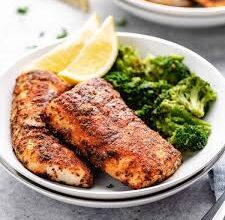
- Lean meats like chicken breast, turkey, and lean beef.
- Fish such as salmon, tuna, and cod.
- Eggs, which are a fantastic, versatile source of high-quality protein.
- Dairy products like Greek yogurt, cottage cheese, and milk.
Plant-Based Proteins
With more athletes exploring plant-based diets, understanding plant protein sources is key. While some plant proteins are complete, many are not. Combining different plant sources throughout the day ensures you get all the essential amino acids.
- Legumes like lentils, beans, and chickpeas.
- Tofu, tempeh, and edamame.
- Quinoa, which is one of the few complete plant proteins.
- Nuts and seeds, though they are also higher in fat.
Protein Supplements: When and How to Use Them
Protein supplements, like whey, casein, or plant-based protein powders, can be a convenient way to meet your increased protein needs, especially when whole food options are not practical. They are particularly useful for quick post-workout shakes.
However, they should complement, not replace, whole food sources. Always look for reputable brands and check the ingredient list. If you have dietary restrictions or preferences, there are many excellent plant-based protein powders available now that are formulated to provide a complete amino acid profile.
Beyond Muscle: Other Benefits of Protein for Athletes
While muscle repair and growth are the headline benefits, protein does more for athletes. It plays a role in producing enzymes and hormones essential for energy metabolism and can even help with satiety, which is important for managing weight and body composition. Adequate protein intake also supports immune function, helping you stay healthy and consistent with your training.
Putting It All Together: A Practical Approach
So, how do you put this into practice? Start by assessing your current diet. Are you consistently hitting your protein targets? Track your food intake for a few days to get an honest picture. Then, make small, sustainable changes.
If you struggle with post-workout nutrition, consider a quick protein shake or Greek yogurt. If your lunches are typically low in protein, add some grilled chicken or beans. For busy athletes, having some hard-boiled eggs or pre-portioned cottage cheese on hand can make a difference. You might also find our tips on one pot wonders helpful for simplifying meal prep during hectic weeks.
Remember that hydration and overall nutrition are also critical. Protein works best when it’s part of a balanced diet that includes plenty of fruits, vegetables, and healthy fats. Exploring Info Recipes can give you plenty of ideas for nutritious meals.
Listen to Your Body
Ultimately, the best approach is one that works for you and your body. Pay attention to how you feel during training and recovery. If you’re feeling overly fatigued or not recovering well, your protein intake might need adjustment. Consulting with a sports dietitian can provide personalized guidance, but making informed choices about your protein intake is a powerful step you can take right now.