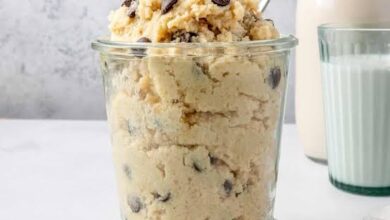
No matter what your health goals are, there’s one nutrient that’s consistently taking center stage in 2026: protein. It’s not just for bodybuilders anymore. The latest trends show that everyone is looking to get more protein into their diets, and for good reason. Protein is a powerhouse for your body, helping you feel full longer, supporting muscle health, and even boosting your mood and focus.
But with so many different ideas about protein out there, it can be confusing to know where to start. You might be wondering, “How much protein do I actually need?” or “What are the best ways to get enough protein without feeling deprived?” This article is here to cut through the noise and give you practical, straightforward advice on making protein work for you.
### Why Protein is the 2026 Superstar Nutrient
It seems like everywhere you look, protein is being talked about. From breakfast cereals to snack bars and even coffee, protein is showing up in all sorts of foods. This isn’t just a fad; the science behind protein’s benefits is stronger than ever. Experts agree that protein plays a crucial role in nearly every bodily function.
One of the biggest reasons protein is so popular right now is how it helps with feeling full. When you eat enough protein, you’re less likely to feel hungry between meals. This is a huge win for weight management and just general well-being, as it helps control cravings and makes it easier to make better food choices. Plus, your body actually burns more calories digesting protein compared to carbs or fats, which can give your metabolism a nice little boost.
Beyond hunger and metabolism, protein is vital for building and repairing tissues, including your muscles. It’s also essential for your immune system to function properly, helping your body fight off illnesses. And for those focused on aging well, protein is linked to preserving bone health and muscle strength as we get older.
### How Much Protein Do You Actually Need?
This is where things can get a little tricky because there isn’t a single number that fits everyone. Traditional guidelines have often recommended less protein than current research suggests is beneficial. Many experts now suggest that aiming for at least 1.2 to 1.6 grams of protein per kilogram of body weight per day is a good target for most people.
For example, if you weigh 150 pounds (about 68 kilograms), that would put your daily protein goal somewhere between 82 and 109 grams. However, your individual needs can change based on how active you are, your age, and your specific health goals. If you’re very active or trying to build muscle, you might need even more. It’s always a good idea to talk to a doctor or a registered dietitian if you’re unsure about your specific needs.
### Making Protein Work for Your Week
The good news is that getting enough protein doesn’t have to be complicated or time-consuming. Many everyday foods are packed with protein, and there are tons of simple recipes out there that make it easy to hit your targets.
A good strategy is to include a protein source with every meal and snack. This helps keep you feeling satisfied throughout the day. Think about simple additions like adding Greek yogurt to your breakfast, including chicken or beans in your lunch salad, or having a hard-boiled egg as a snack.
When it comes to meals, focusing on protein sources like lean meats, poultry, fish, eggs, dairy products, legumes, tofu, and nuts is a great start. For instance, a quick dinner could involve a grilled chicken breast with a side of quinoa and roasted vegetables. Or, if you’re short on time, a tuna rice bowl or a lentil taco bowl can be whipped up quickly.
### Simple Ways to Boost Your Protein Intake
**Breakfast Ideas**
Many of us grab something quick in the morning, but a protein-packed breakfast can set you up for the whole day.
* Peanut Butter Protein Oats: Easy, filling, and affordable.
* Egg and Bean Breakfast Burrito: Scramble eggs with black beans, peppers, and onions.
* Cottage Cheese Toast: One of the fastest high-protein breakfasts.
* Greek Yogurt Smoothie: Blend Greek yogurt with fruit, milk, and oats.
**Lunch and Dinner Savvy**
You don’t need to spend hours in the kitchen to make satisfying, protein-rich meals.
* Tuna Rice Bowl: Mix canned tuna with rice, veggies, and a Greek yogurt-based sauce.
* Greek Yogurt Chicken Salad Wrap: Use Greek yogurt instead of mayonnaise for a lighter, protein-boosted version.
* Quick High-Protein Dinners: For busy weeknights, you can find plenty of options that take 30 minutes or less. [cite: Internal Link 1] This could include things like sheet pan meals or stir-fries.
**Smart Snacking**
Snacks are a perfect opportunity to get in extra protein.
* A handful of almonds or walnuts.
* A small container of Greek yogurt or cottage cheese.
* Hard-boiled eggs.
* Edamame.
### Don’t Forget Fiber and Hydration
While you’re focusing on protein, it’s important not to forget other key parts of a healthy diet. Eating plenty of fruits, vegetables, beans, and lentils will give you the fiber you need for good gut health. Staying hydrated is also crucial. Aim to drink enough water throughout the day, at least four to six cups, depending on your activity level.
### The Takeaway
Making protein a priority in 2026 is a smart move for overall health and well-being. It helps keep you full, supports your muscles, boosts your metabolism, and contributes to a stronger immune system. By understanding your protein needs and incorporating protein-rich foods into your meals and snacks, you can easily make this powerful nutrient work for you. For more easy meal ideas, check out Info Recipes. [cite: Internal Link 2] Remember, consistency is key, and you’ll start feeling the benefits in no time.